Neurex — the fusion and decision core — is feature-complete and measured on our bench. Four hardware tiers carry it, and they are built in order: the station-class node first, the rest of the family after. This page states where each one actually stands.
Neurex is feature-complete: multi-modal fusion, track custody, threat classification, tamper-evident audit, and operator gating all run today. It was built first on purpose — it runs on sensors a customer already owns, so it does not wait on hardware to be useful. What remains is integrating our own sensor set onto the station-class node and testing the whole system together.
| Fused system | Figure | How it was established |
|---|---|---|
| Detection rate | >95% | Our simulation all modalities combined |
| Classification accuracy | >90% | Our simulation five threat classes |
| False-alarm rate | <2 / hour | Our simulation |
| Detect-to-classify | <500 ms | Our bench |
| Decision cycle | <60 ms | Design target Jetson Orin NX |
| Concurrent tracks | 50+ / node | Our bench 200+ across three nodes |
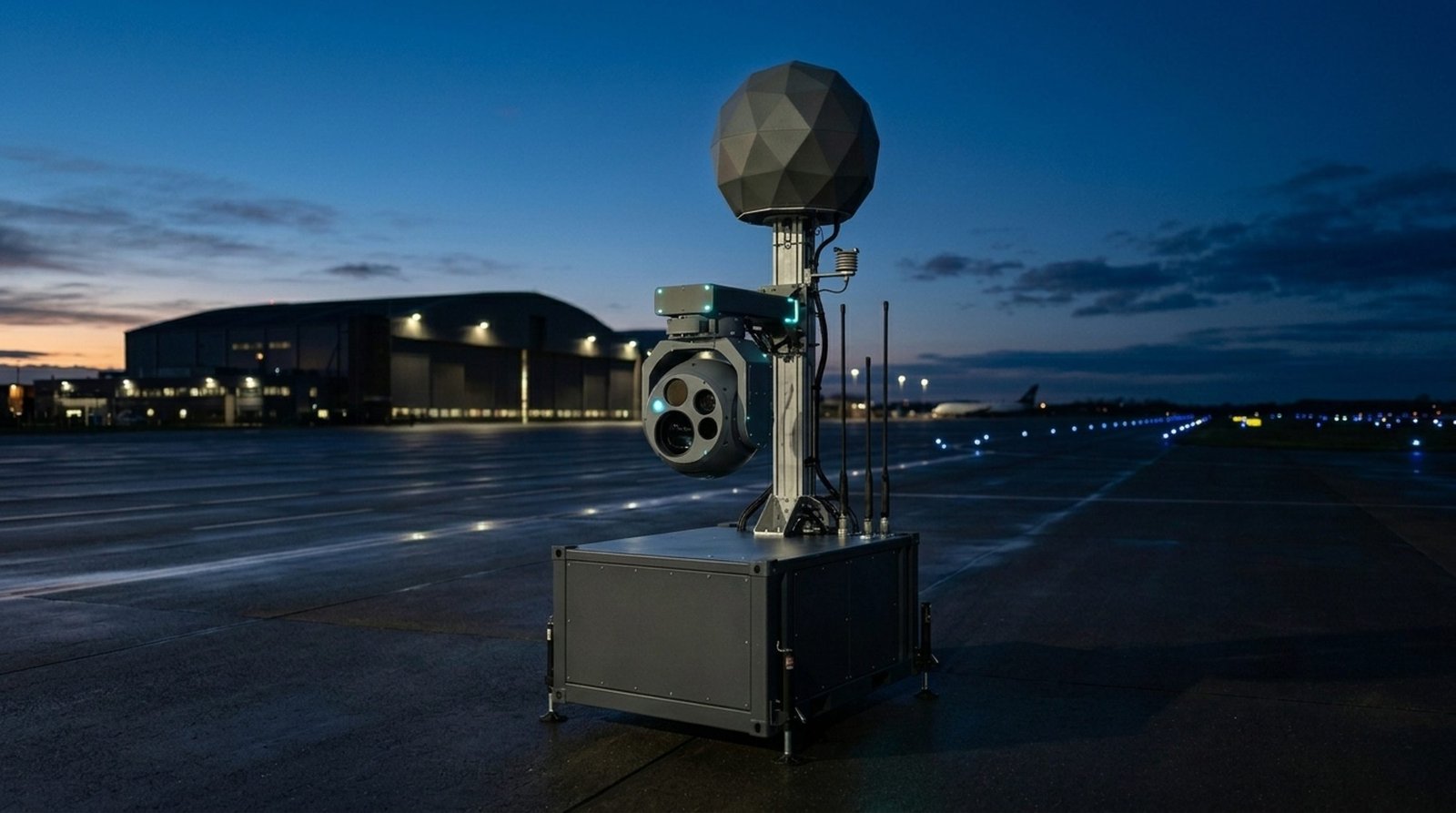
Concept render — actual product may differ
Standoff detection, always on, the longest range in the family. Radar, EO/IR, RF, and acoustic fused into one track picture, networked with cross-station handoff. Fixed-site or vehicle-mounted.
Station is being built first because it is the hardest carrier and the anchor every other tier reports into. The first fused station-class node is in development now; Neurex integrates onto it, and our own field validation follows once the node is finished. We are in discussion with partners for joint development and distribution.
Nothing in the family is available to order today. A live demonstration of Neurex is available on request →
Three more carriers for the same brain, in three more form factors. All three are specified and designed; none is in build. They follow Station deliberately — the sensor pipelines and the enclosure work done for the station-class node are what make the smaller tiers buildable at all. Every figure below is a design target, not a measurement.
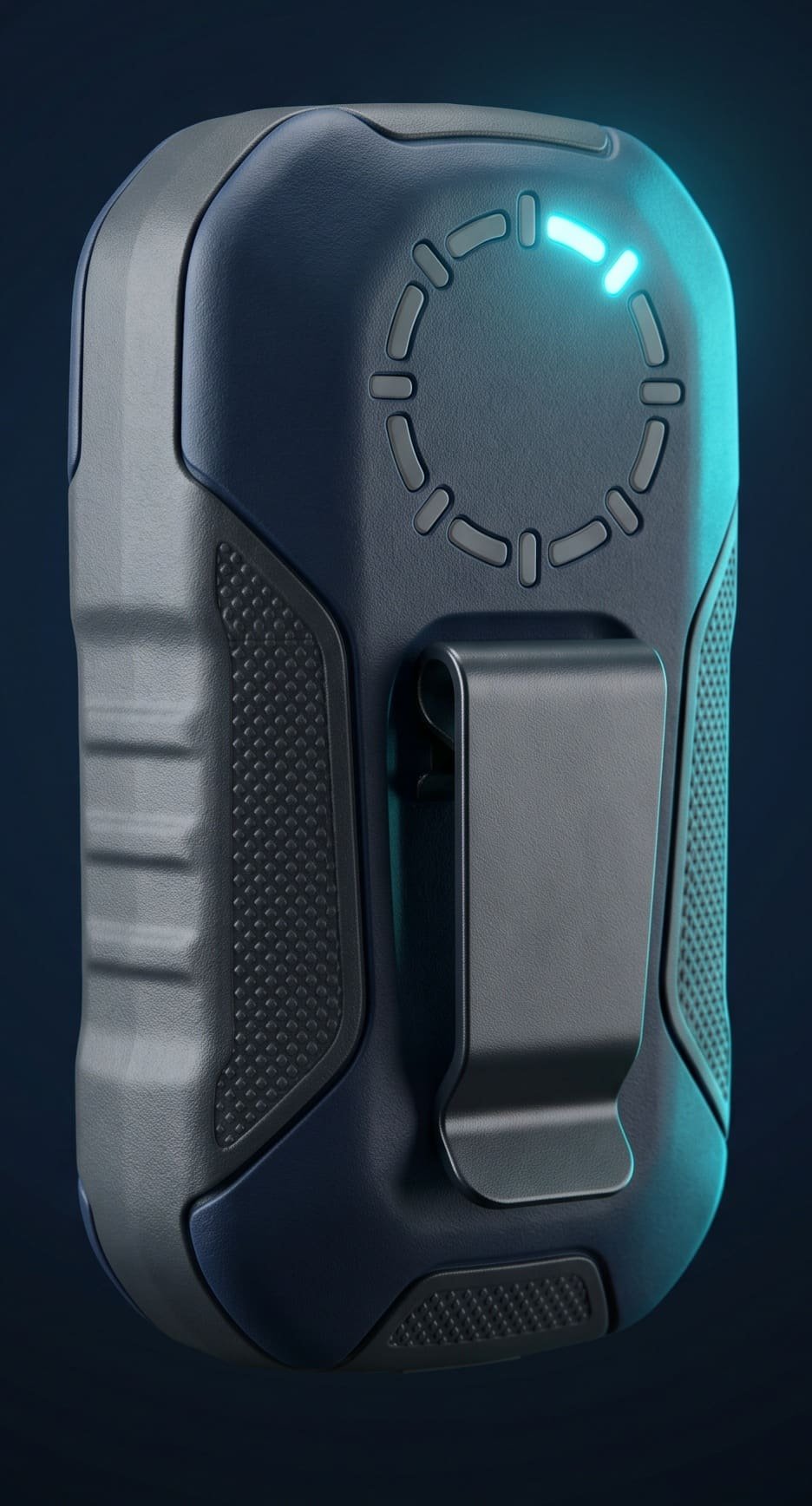
Concept render — actual product may differ
Passive RF and acoustic sensing in a wearable — no screen, no emissions, nothing for an adversary to detect. Alerts arrive as haptics and audio, so eyes stay on the task. Built for dismounted teams, site crews, and event security.
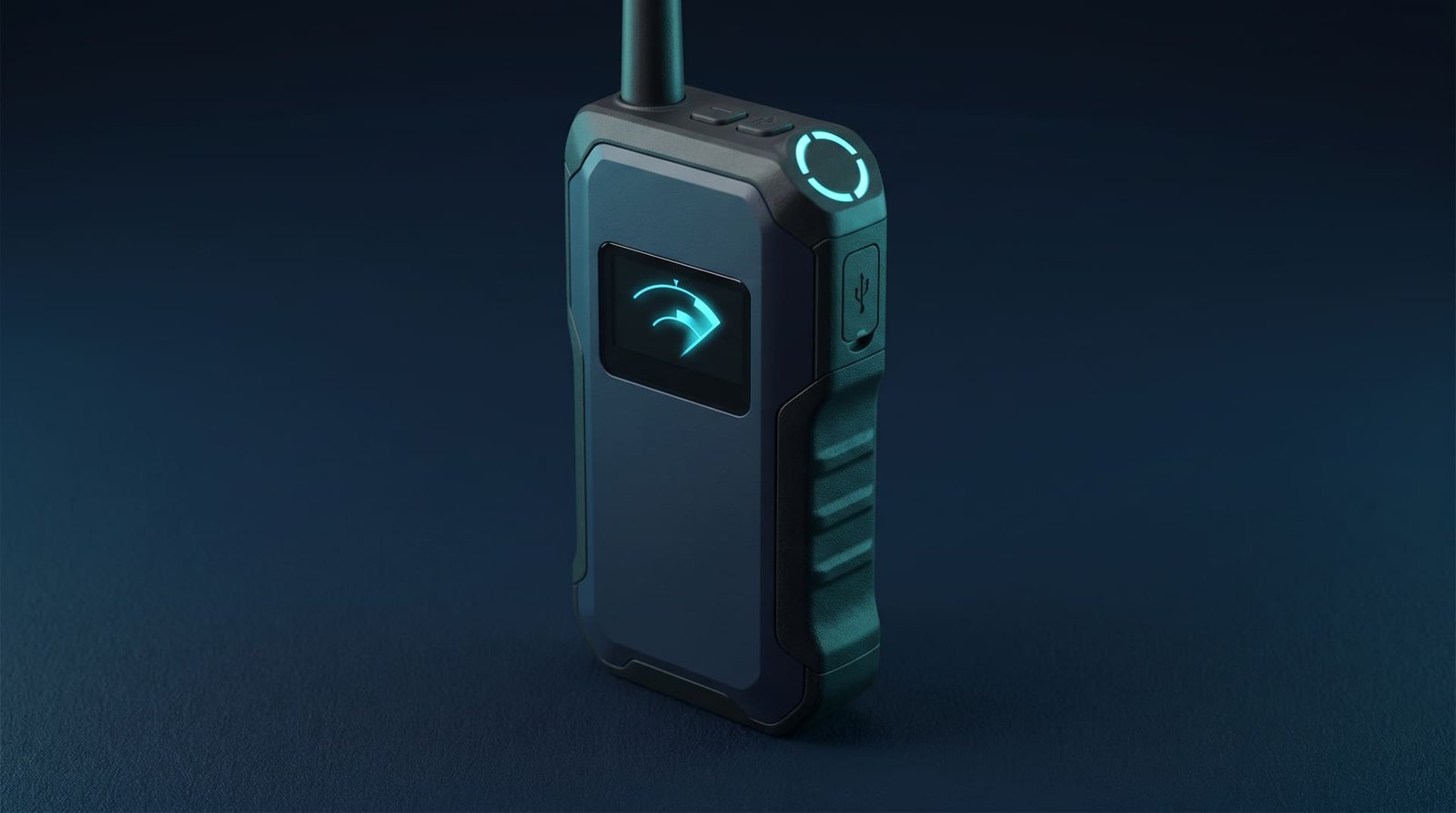
Concept render — actual product may differ
The specialist points it at a sector and gets a bearing and a classification. RF, acoustic, and active micro-radar in one handheld, with an optional EO/IR module. When Sentry says something is out there, Scout is meant to say what and where.
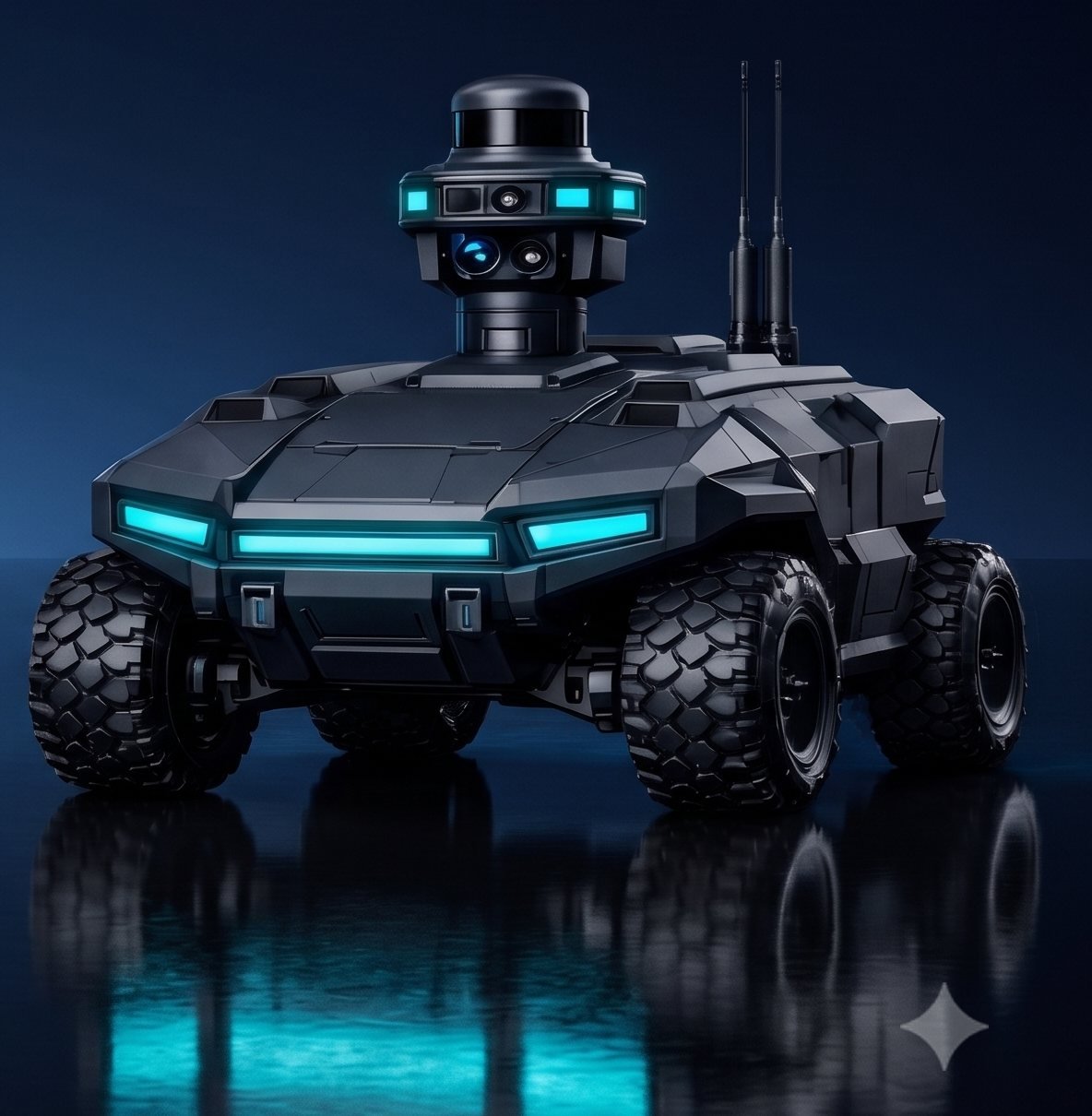
Concept render — actual product may differ
Set it down, power it on, and it joins the mesh — a relocatable multi-sensor unit that brings the detection net wherever the operation goes, with no fixed installation. Forward positions, temporary sites, moving perimeters.
Canopy is the end state of the build order, not a capability that exists today. A Neura Canopy over a site is several Stations — station-0 through station-3 — plus the Scouts carried by the response team. Track custody hands off between Stations automatically: one console, one picture, perimeter-scale coverage instead of point defense. And because tracking is distributed across nodes, the Canopy is how the platform scales to coordinated swarms — fifty targets at once, not one at a time →
Whole-site air picture, not point defense.
Track custody moves between Stations automatically.
Every tier reports into the same fused view.
A networked configuration of Stations — not a fifth device.
Neurex ships first because it runs on sensors customers already own. Every hardware tier that follows is a carrier for the same brain. This is the same ladder shown on the company page — one build order, one set of statuses, across the whole site.
Multi-modal fusion, track custody, threat classification, tamper-evident audit, operator gating. Feature-complete; bench-measured by modality.
The first fused station-class node — edge compute, enclosure, power. The carrier for the core.
Modalities operational in software; native pipelines brought onto our own hardware. Field validation follows.
The full-aperture integrated build — fixed-site or vehicle-mounted.
Patrol, Scout, Sentry — then Stations meshed into one air picture.
Station extended for programs that require response as well as detection — under program review, subject to export-control review and applicable authorizations.
Neurex runs today, and a live demonstration is available on request. The commercial briefing deck covers the threat landscape, the build order, and deployment models — built to be forwarded to your security, operations, and finance stakeholders.